
If you’ve looked up at stars, you may have noticed their colour varies. Some stars appear to be slightly orange, others blue, and some appear to be white. The colour variation is quite subtle to our eyes, and we see the combined emission across the visible spectrum of light from that star. You would see a distribution if you measured light intensity at different wavelengths and graphed it. Wilhelm Wien discovered a relationship between light intensity at different wavelengths for an object and its temperature. Assuming that an object is a perfect emitter that doesn’t absorb any radiation, we can make a nice curve on a graph for any given temperature. We call this a black body radiation curve. Of course, objects are not perfect emitters, and depending on what they are made of, there will be bumps in the black body radiation curve where certain atoms and molecules absorb the radiation and even absorb and re-emit the radiation at different wavelengths.
Curriculum connection
Supports senior secondary learning in Earth and Space Science around:
- stellar characteristics
- temperature, colour and luminosity
- interpreting the Hertzsprung–Russell diagram
- stellar evolution
- apparent and absolute brightness/magnitude
- links between stellar properties and position on the H–R diagram
Particularly useful alongside current NCEA Level 2 Earth and Space Science learning about stars and planetary systems.
Learning pathway
The Colour of Stars (current page)
Understand how colour reveals temperature.
The Hertzsprung–Russell Diagram
Learn how temperature and luminosity are used to organise stars.
Life Cycle of Stars
Explore how mass changes the life and fate of a star.
Our Stellar Neighbourhood
Apply these ideas to real stars around the Sun.
Black body distribution of radiation
The graph below depicts the blackbody emission for a star at the temperature in the title. It starts with the Sun at 5777K. At that temperature, we see the peak emission at about 502nm in the green part of the spectrum. The curve is coloured to show where the visible part of the electromagnetic spectrum is. You can adjust the temperature with the slider above the graph; moving it to the right will increase the temperature, and moving it to the left will decrease the temperature.
To the right of the graph is a coloured circle that simulates what a star would look like to a human eye. It averages the intensity of light in the visible spectrum for that temperature. This will take on a blue hue for higher temperatures, and for cooler temperatures, it will be redder in hue.
The graph uses Planck’s Law of Black Body Radiation:


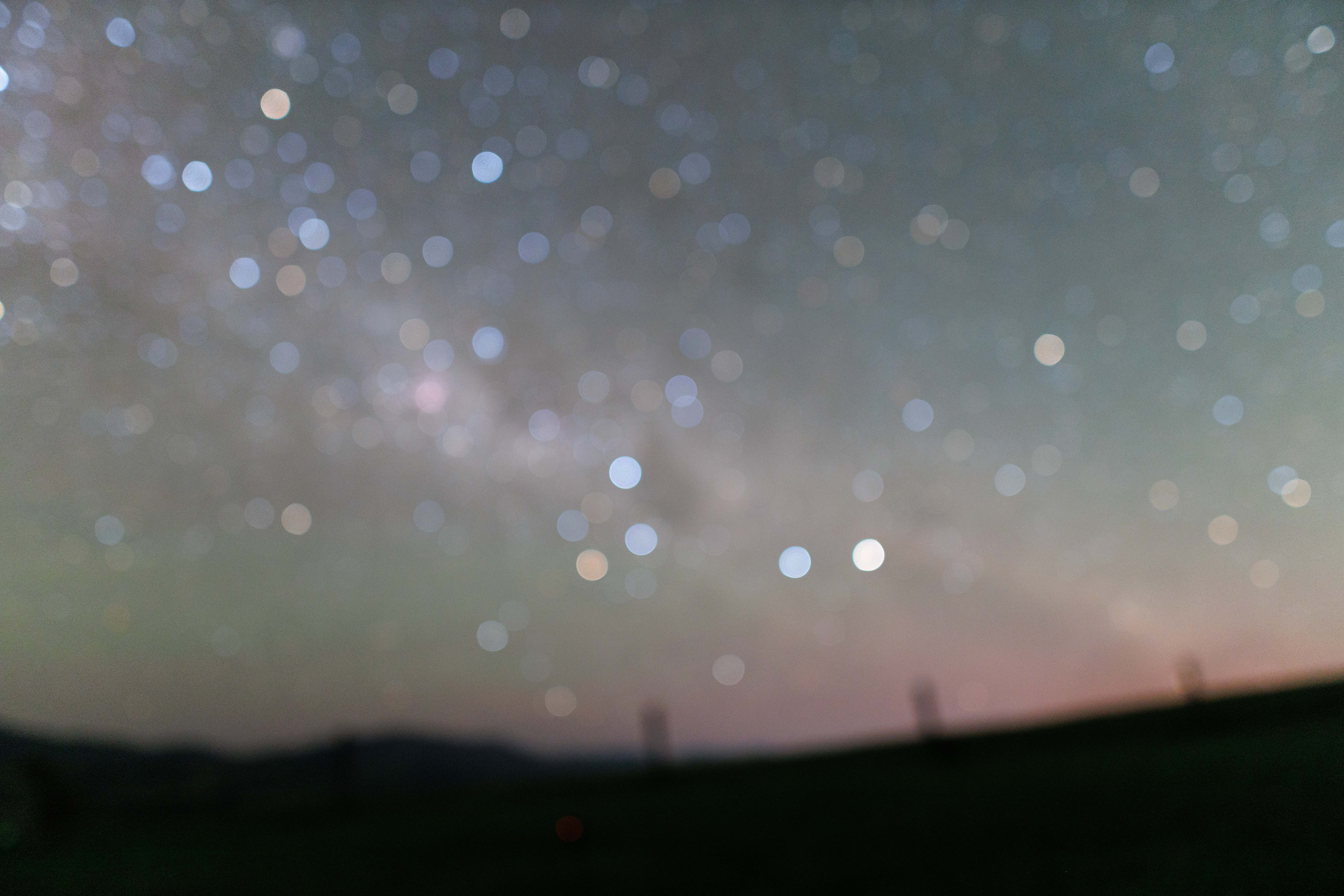
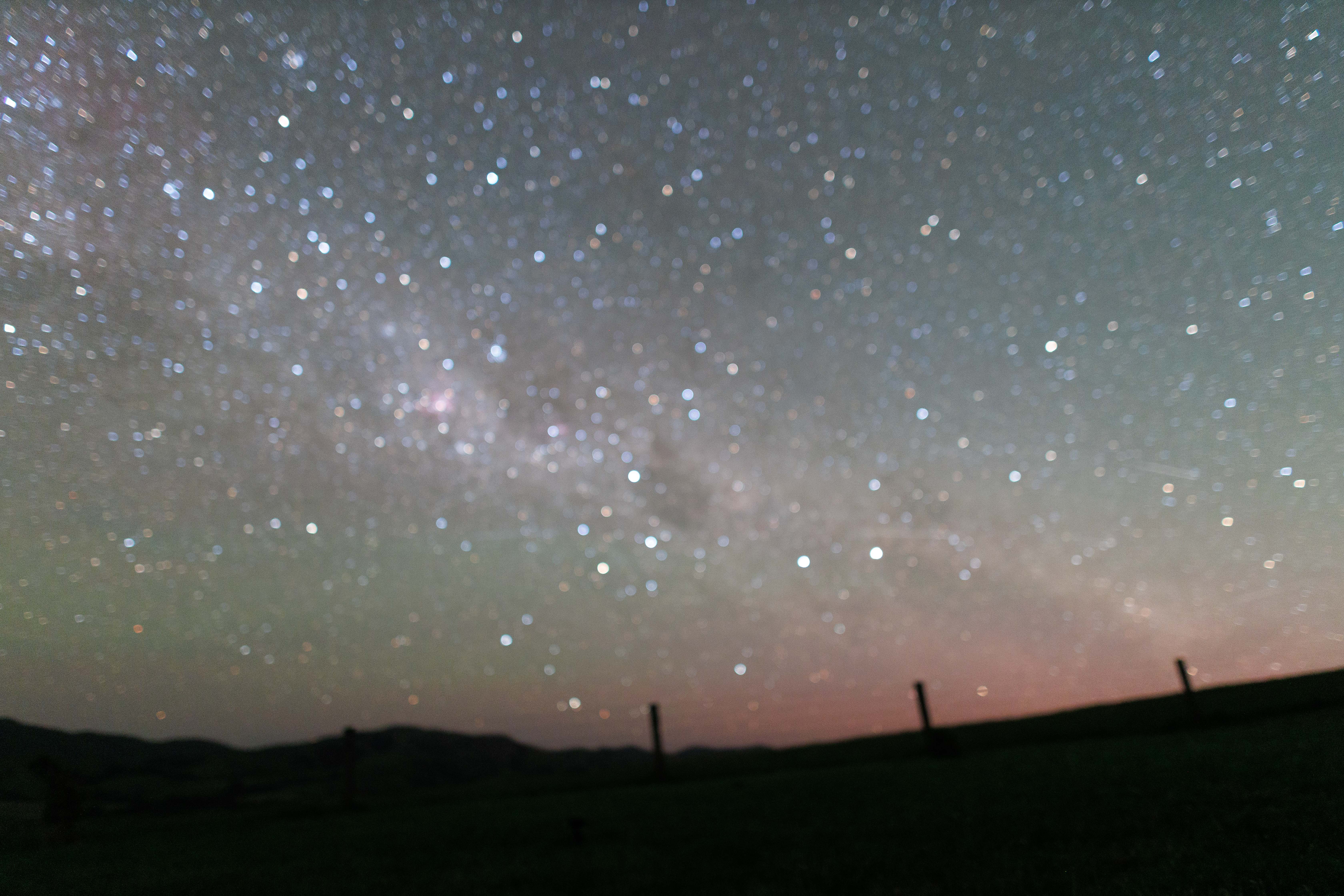
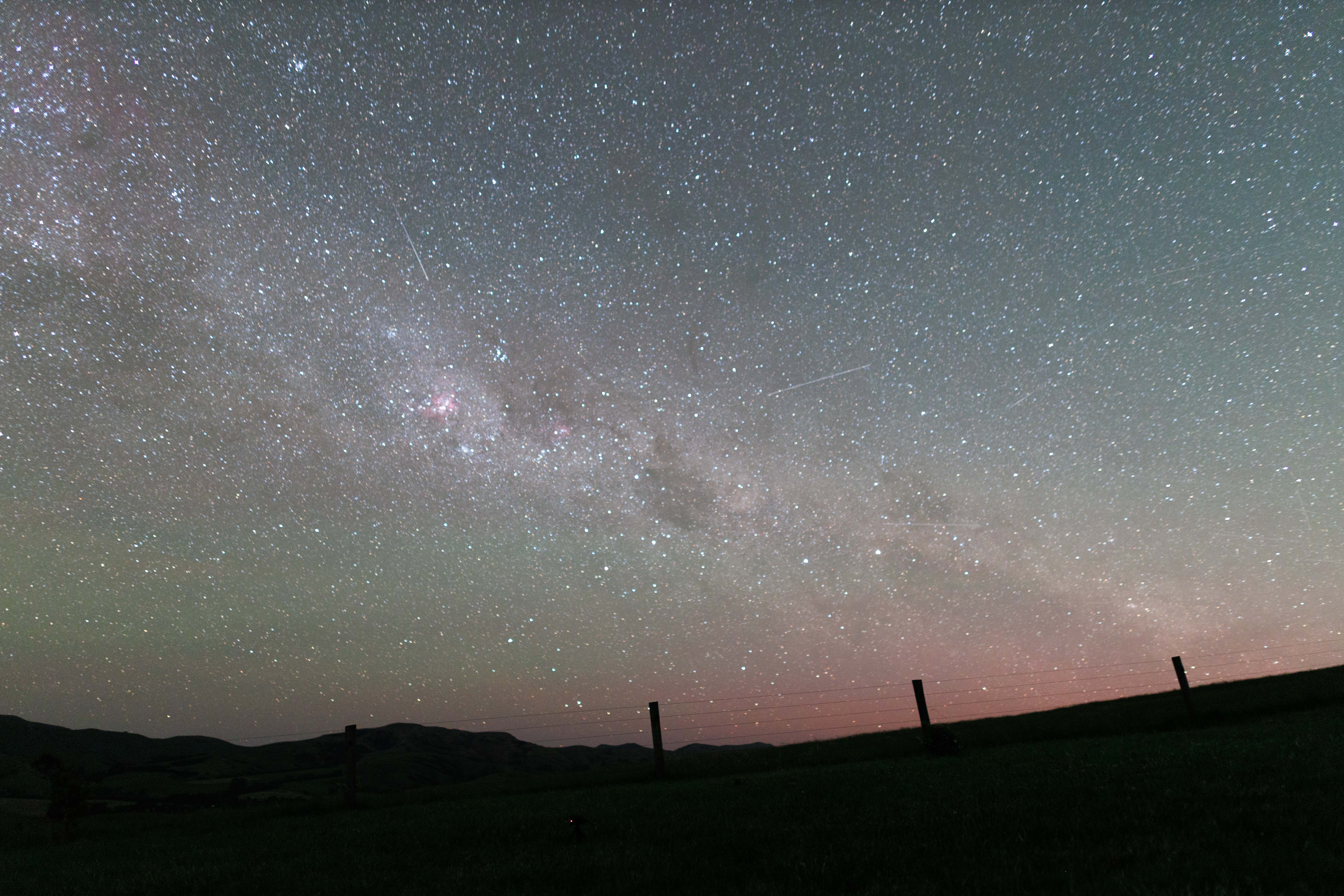
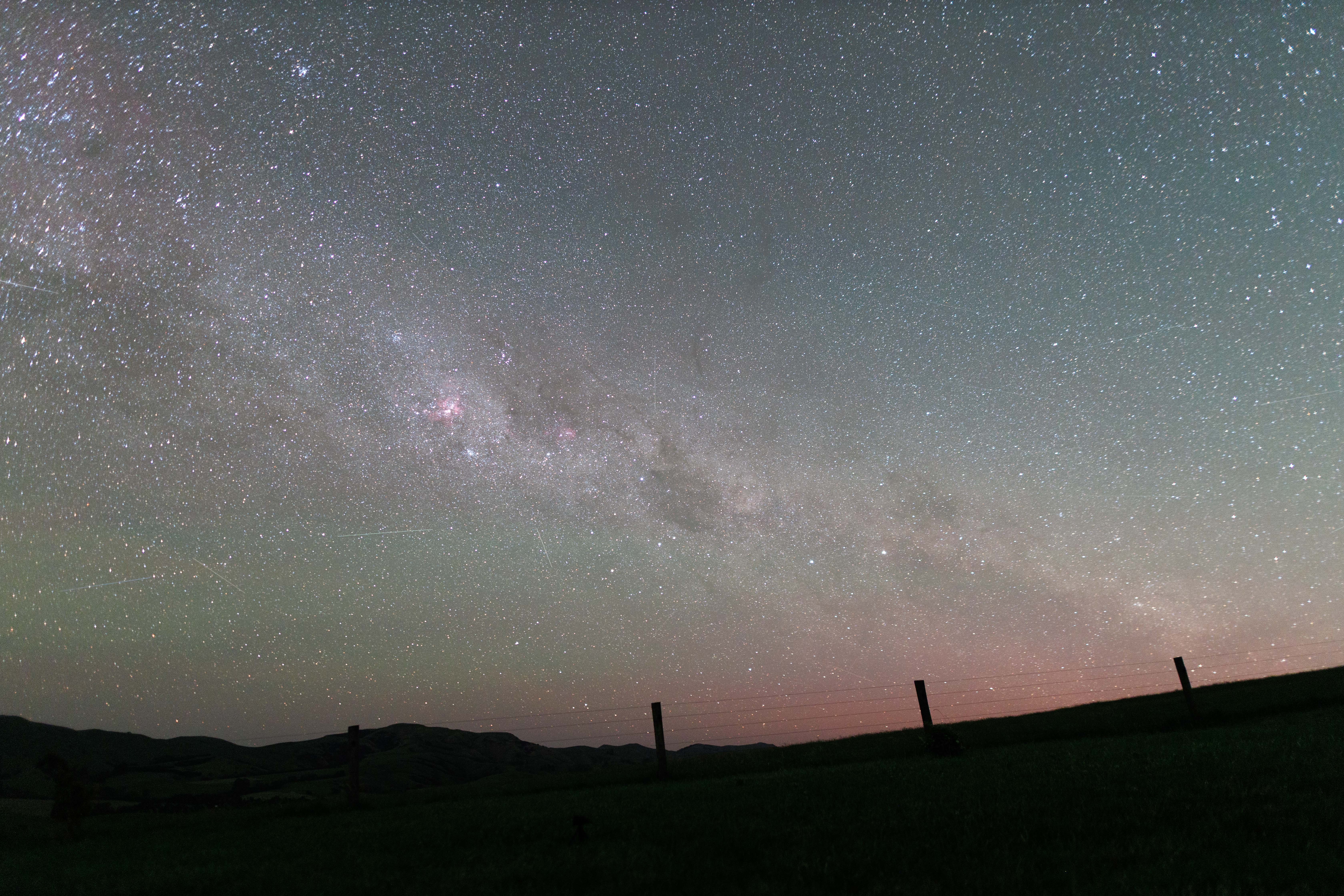
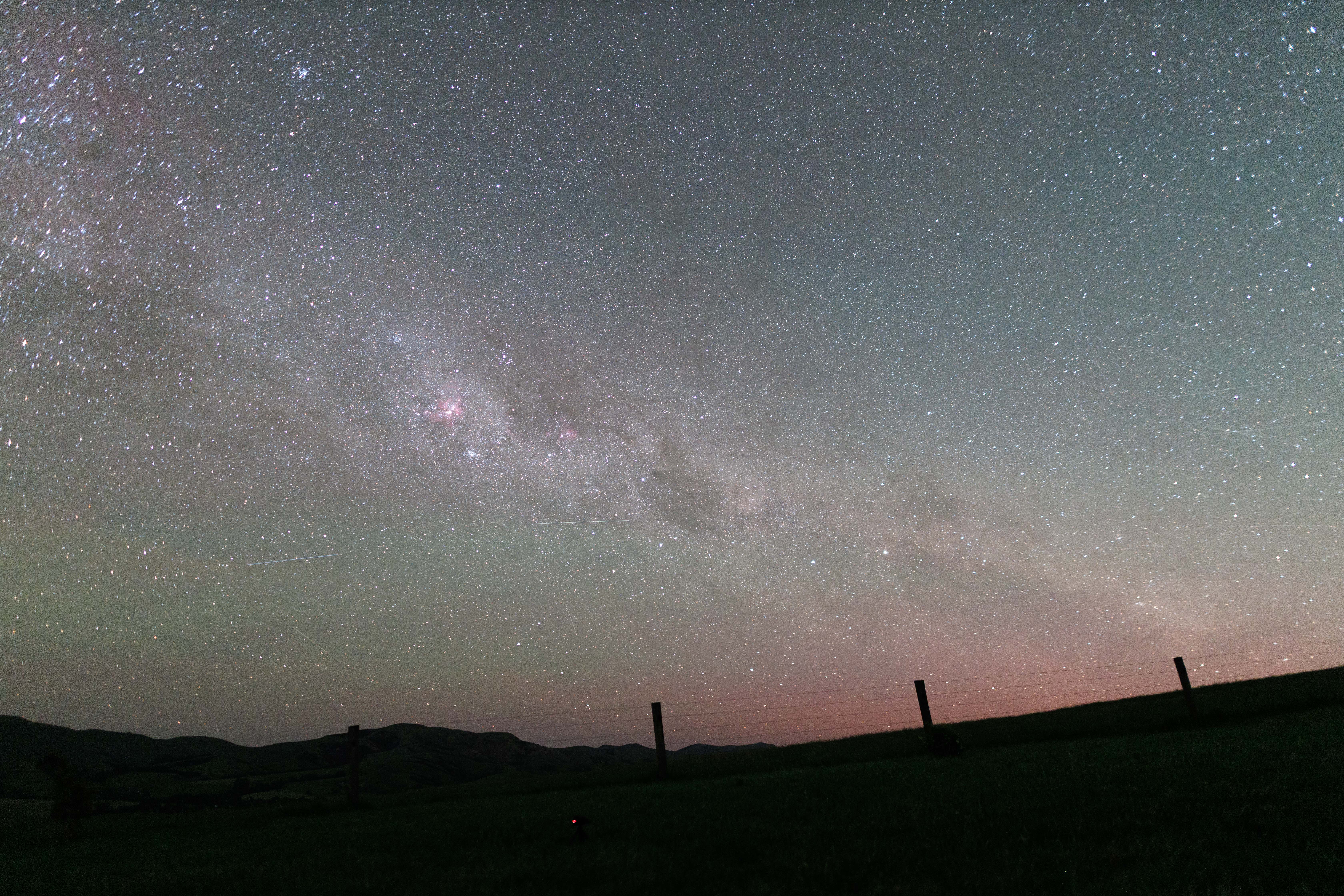
Examples of various stellar regions visible from the Dark Sky Reserve of Wairarapa
Photos taken at our Star Safari Observatory in Wairarapa.
Camera: Canon Ra, with Sigma Art 24 lens, 1.4, exposure 20 sec, 3200 ISO Images are unprocessed.








By the end of this activity, students should be able to explain that:
- stellar colour is related to surface temperature
- blue stars are hotter than red stars
- temperature is one of the quantities used on an H–R diagram


